
Methods
The study used a community participatory approach – integrating quantitative and qualitative components.
This means that:
- Community individuals with lived experiences, community support organisations and other stakeholders partner with researchers throughout the study
- Co-learning and continuous improvement are supported
- Decision-making is shared
- Collective experiences and insight help to shape and guide the research approach – including data collection, analysis and reporting of the findings
- Research is made more relevant, accessible and impactful.
The Conversation Topic Guide questions for data (information) collection were initially developed by the Community Participation Team within the Somerset HDRC. These were later reviewed and refined with the Community Organisation Advisory Partnership and the Lived Experience Advisory Partnership (see Appendix 1).
The Community Participatory approach include ways of working that embed community voice in practice. The methods we employed in the Breaking Barriers study are outlined below.
How we involved the community
Community Organisation Advisory Partnership (COAP):
A group of seven representatives from local organisations across Somerset that support people who may be living with long-term health conditions, disabilities, or have caregiving responsibilities was formed to inform, guide and advise various aspects of the research. Each organisation that took part was remunerated for their time and contribution, so they could be fully involved in the project.
The COAP met five times, and the focus of their meetings and involvement was as follows:
- Getting to know each other and introducing the study
- Co-developing the research and data collection approach with the Community Participation Team.
- Reviewing initial findings
- Sense-checking the study findings and recommendations.
- Reviewing inclusive recruitment processes for the Somerset Council and co-designing recommendations to improve accessibility and inclusive recruitment
Joseph represents one of the Co‑Research Organisations and also serves as a COAP member. COAP is a small group of seven community organisations from across Somerset that we set up and continue to support.
Lived Experience Advisory Partnership (LEAP):
A group of five people were recruited through social media and community organisations to form the LEAP. All members had lived experience of the challenges of working or trying to work whilst managing a long-term health condition and/or disability. Their role was to inform, guide and advise on various aspects of the research. Each member was remunerated for their time through Love2Shop vouchers.
The LEAP met seven times, and the focus of the meetings and their involvement was as follows:
- Getting to know each other and introducing the study
- Co-developing the research and data collection approach with the Community Participation Team.
- Reviewing initial findings
- Sense-checking the study findings and recommendations.
- Review and providing feedback on the summary leaflets for participants in the study
- Advising on inclusive recruitment processes for the Somerset Council and co-designing recommendations to improve accessibility and inclusive recruitment
- Discuss the feedback from previous meetings to work together better and reflect on the findings, and provide recommendations for employers and the system
The LEAP members valued the opportunity to contribute ideas that may help people get employment in the future. One member said:
Thank you so much for today’s meeting, it was lovely to be included. Being able to see how it’s all laid out, the changes that were recommended and hearing everyone’s fantastic and inclusive ideas was wonderful.
As a result of being part of the LEAP, one of the members also provided support during the recruitment process of our two Community Co-Researchers. Here is what they thought about their contribution to the panel
I think it was important to have me on the panel as a way to offer an alternative perspective. Sometimes organisations or institutions can operate within a certain work culture unconsciously. I felt that my lived experience helped allow the breaking barriers project to employ people that hopefully enable the project to be a better fit for those that would be impacted by it and make it more accessible. When working with the research departments of the council, having someone with lived experience on the interview panel can make the whole process seem more human.
Community Co-Researchers
Two community individuals with lived experience were recruited part-time to work with the HDRC team, supporting the Co-Research Organisations, and engaging with the LEAP and COAP groups.
Together, Dan and Abbie collaborate to make sure findings lead to meaningful, community-driven improvements in health and wellbeing across Somerset.

One of my main motivations to apply for the role of Community Co-Researcher was to contribute to the Breaking Barriers project. I understood the need for the study and could recognise the barriers to work from my own perspective as a neurodivergent person. I have very much enjoyed working alongside the rest of the team and collaborating with the LEAP and COAP groups to bring this project to fruition. I took part in the data transcription phase, anonymising and transcribing interviews by participants, acting as a guardian to participant’s personal stories and experiences, ensuring that their views were fairly represented within the research. Alongside LEAP and COAP, I was also involved in sense-checking the themes, sub-themes and recommendations, making sure that the suggestions put forward were compatible with experts by experience and experts by profession. Beyond the publication of the report, I will be working alongside Abbie to add an additional layer to the findings with insights from LEAP and COAP that expand on or provide an additional lens to the findings of the study.
Dan
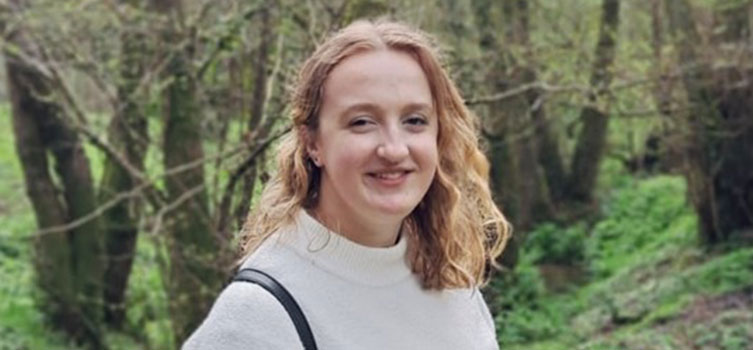
I was immediately drawn in by the emphasis on community participation in research. Having previous experience of research within the NHS, it was exciting to see how research is being shaped within the local government and the work of the HDRC in Somerset. This coupled with the fact that the project resonated with me on a personal level, growing up with a close family member who has a long-term health condition, I too could see the value and need for this research. When helping to anonymise transcripts for analysis, it was deeply moving to hear the in-depth personal and shared experiences of the participants. I have enjoyed getting to meet the members of the LEAP and COAP groups and hear further, their experiences when sense-checking these findings. Personally, during my time in the role I have felt valued and encouraged to share my views and contributions. An example of this, is Dan and I’s work reflecting and developing inclusive recruitment recommendations on the back of our experiences so far and sharing these with COAP and LEAP members. I am excited to continue my involvement and help implement the findings of the Breaking Barriers study further in future phases of this project.
Abbie